Most “best of” roundups for raised feeders are shopping grids with stock photos. We wanted something different: real height checks, tip tests, and dishwasher reality for the best elevated dog bowls 2026 shoppers keep bouncing between on Amazon and Chewy.
If your dog gulps, leans, or struggles to bend, the stand matters as much as the bowl. This guide covers orthopedic sizing by withers, stability on tile, and cleaning tradeoffs Amazon listicles skip.
We do not treat elevation as a medical cure. Height sizing by withers without chiropractic hype is the rule here—comfort and posture first, marketing claims second.
How we tested height, stability, and cleaning
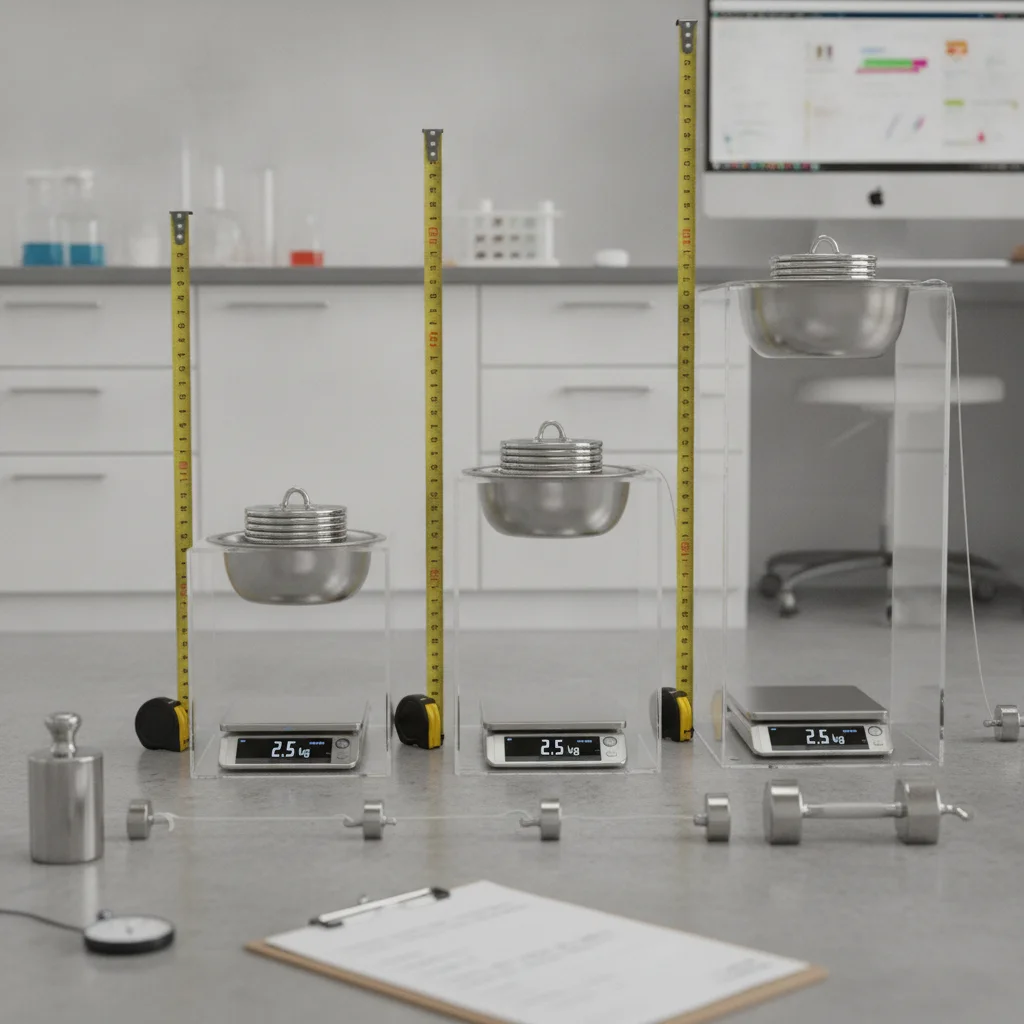
We scored every feeder on three axes: height fit, tip resistance, and cleaning survival. Anything that failed two axes was out, even if the listing photos looked premium.
Height protocol was simple and repeatable:
- Measure standing withers height (top of the shoulder blades).
- Set bowl rim roughly at the lower chest / upper withers line so the neck stays neutral.
- Recheck after the dog takes a few bites—many dogs push stands forward.
Tip and wobble tests used a filled water bowl on tile and hardwood. We pressed the rim, nudged the base with a foot, and watched for rock, slide, or full tip. Tip-test stability on tile beats Amazon star ratings for elevated feeders every time.
Cleaning checks covered daily wipe-downs plus dishwasher cycles for stainless inserts. Plastic mazes that trap kibble slime after three days scored poorly even when “top-rack safe” appeared in the bullet list.
| Test | Pass bar | Common fail |
|---|---|---|
| Height fit | Neutral neck at meal start | One-size stand for “all breeds” |
| Stability | No tip with half-full water bowl | Narrow feet on slick tile |
| Cleaning | Bowls + maze survive weekly dishwasher | Deep plastic grooves with biofilm |
Materials mattered more than branding. Stainless inserts with removable trays cleaned fastest. Powder-coated frames that chipped at the joints became rust traps within weeks of wet mopping.
Best overall elevated dog bowls for most homes
For medium dogs and typical kitchens, we wanted adjustable height, a wide footprint, and bowls you can yank out without wrestling a bolt. These are the picks we would actually leave set up between meals.
1. Adjustable stainless double diner — best daily driver
An adjustable stainless elevated dog feeder with a wide base won for most homes. Rim height usually spans roughly 8–16 inches, which covers many medium and large pets without buying a second stand.
- Why it wins: Removable stainless bowls, dishwasher-safe inserts, rubberized feet that grip tile.
- Watch for: Cheap versions with hollow tubes that flex when a 70 lb dog leans.
- Best for: Multi-dog households that need water and food at the same height.
Look for tool-free height pins or solid locking collars. Spring clips that loosen mid-meal create wobble even when the footprint looks wide in photos.
2. Single raised stainless bowl on a weighted stand — best for messy drinkers
Single-bowl orthopedic elevated dog bowls keep water away from kibble splash. A heavier base reduces skate on laminate and keeps tall drinkers from flipping the rim.
- Why it wins: Fewer seams than double diners; easier to scrub under the tray.
- Watch for: Decorative wood bases that swell after spills.
- Best for: Apartments where one elevated water station sits away from food.
3. Mid-height ceramic-look set with stainless liners — best gift pick
Gift buyers often want aesthetics. Choose ceramic exteriors only if the inner bowl is stainless or a true food-safe liner you can lift out. Pure ceramic chips and is awkward in a packed dishwasher rack.
Stainless usually wins for chip resistance and dishwasher cycles; ceramic can look nicer but chips and is heavier to lift when wet. If you love the look, treat the shell as furniture and the liner as the real bowl.
| Pick | Height range | Stability | Cleaning | Best use |
|---|---|---|---|---|
| Adjustable stainless double | Wide | Excellent on tile | Excellent | Most homes |
| Weighted single stainless | Fixed / few sizes | Excellent | Excellent | Water or food only |
| Ceramic shell + liner | Often fixed | Good if base is wide | Good if liner lifts out | Gifts / decor match |
Budget under about $30 often means thin tubing and slick plastic feet. Spend on the frame first; bowls are easy to replace later with standard stainless sizes.
Best for large and giant breeds
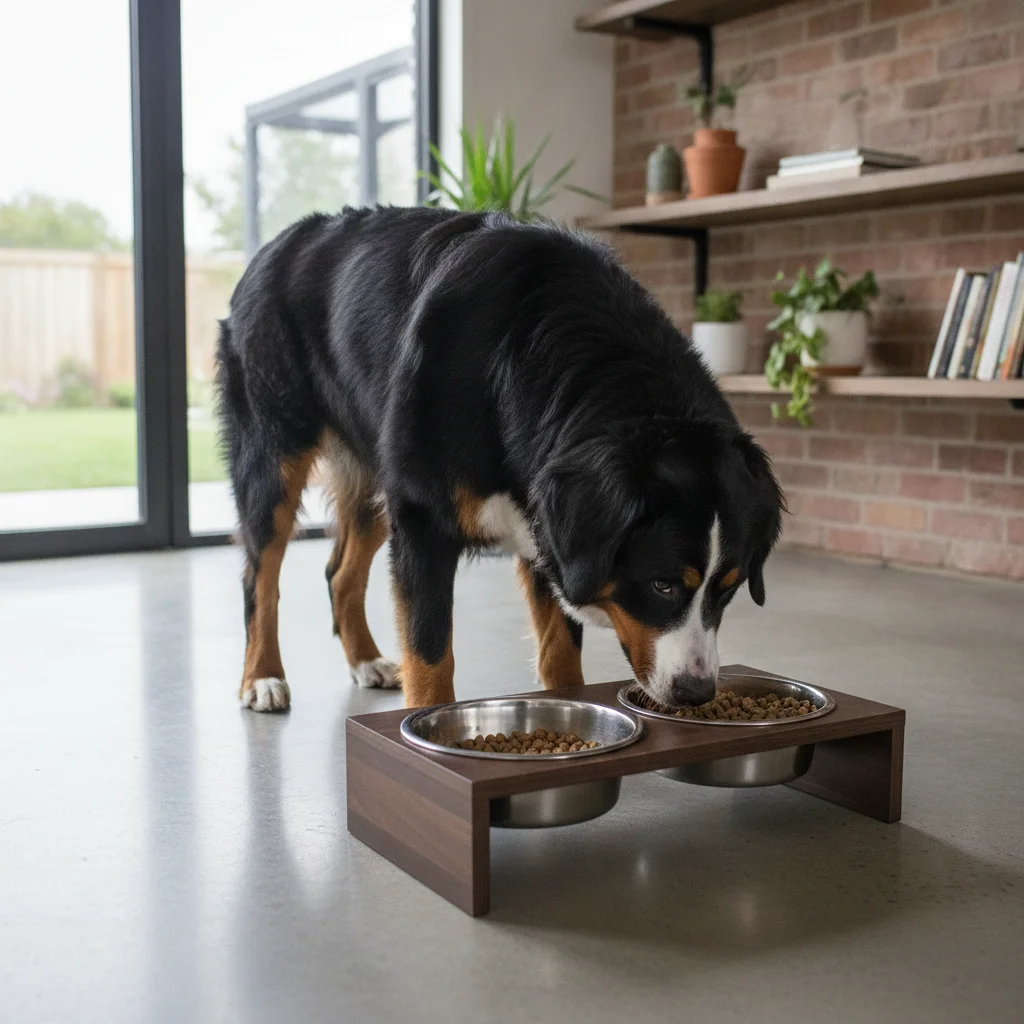
Raised dog bowls for large dogs fail when the stand is tall but skinny. A Great Dane or Mastiff needs height and a footprint that survives leaning, pawing, and enthusiastic drinking.
Target rim heights often land in the 12–20+ inch range depending on withers. Measure your dog; breed charts are a starting hint, not a purchase order.
What large-breed stands must have
- Wide, non-slip base (crossbars or a full platform beat four skinny legs).
- Heavy bowls or locking rings so inserts do not pop when the dog noses hard.
- Height that still leaves a slight downward glance—extreme “chin-level” setups look dramatic and encourage leaning.
We preferred XL stainless elevated dog feeders with platform trays over skinny “bar stool” frames. Platform styles also catch kibble scatter, which matters when you feed raw or oily toppers.
If you share a home with a giant and a smaller dog, do not force one height. Dual stations beat one compromised diner. Multi-dog households with different ideal heights need separate stands or staggered meal spots—not one Amazon “fits all” riser.
Large-breed tip: fill the bowl half-full during the first week on a new stand. Full bowls raise the center of gravity and exaggerate tip risk while your dog learns the height.
Senior giants with arthritis often prefer elevation, but only if the stand will not skate when they brace a paw on the tray. Add a yoga-mat underlay if the manufacturer’s feet are glossy plastic.
Best elevated slow-feed hybrids
Gulpers create a second problem: speed. Elevated slow feeder dog bowl hybrids promise posture relief plus maze pacing. Some deliver. Many just raise a hard-to-clean plastic labyrinth.
Dishwasher and biofilm reality for elevated slow-feed hybrids is the make-or-break filter. If the maze cannot come apart or sit safely in a dishwasher, it will smell within two weeks in humid kitchens.
How we scored hybrids
- Maze depth: Shallow ridges barely slow motivated Labs; deeper channels work better but trap grease.
- Detachability: Maze insert must lift out from the stand without tools.
- Tip risk: Dogs scrape mazes harder than open bowls—bases must be wider, not taller alone.
Our preferred pattern: elevated frame + removable stainless slow-feed insert (or a stainless bowl with a food-safe silicone maze ring). All-plastic towers that combine thin legs and deep grooves failed cleaning and stability together.
| Hybrid type | Slows gulping | Cleaning | Verdict |
|---|---|---|---|
| Stainless insert + silicone maze | Good | Best | Buy if removable |
| Plastic tower with molded maze | Variable | Poor–fair | Skip for daily use |
| Elevated stand + separate slow bowl | Good | Excellent | Most flexible setup |
If your dog still finishes in under a minute, elevation alone will not fix gulping. Combine a true slow-feed insert with measured portions and a calm pre-meal routine. Elevation is posture support; the maze is pace control.
Replacement parts matter. Brands that sell spare inserts earn long-term points. One-piece plastic units become landfill when a single ridge cracks.
What we skipped and why
We skipped a lot of bestseller lookalikes. Star counts do not survive a tip test on wet tile.
- Wobbly tube stands with tiny feet — tip when a dog leans; worse with slow-feed scraping.
- Marketing-only GDV / bloat cure claims — evidence is mixed; treat height as comfort, not a medical device.
- Non-dishwasher plastic mazes — biofilm builds in grooves; owners stop using them.
- “One height fits all breeds” fixed risers — underserve giants or force small dogs into giraffe posture.
- Untreated wood bowls glued into frames — swell, crack, and harbor odor after wet food.
We also skipped novelty tilted bowls that look ergonomic in ads but spill water when the dog drinks fast. Mild tilt can help some brachycephalic pets; extreme angles create new messes without clear comfort gains.
Affiliate roundups that list ten near-identical stainless diners without stability notes are not helpful. If two products share the same factory photos and only the logo changes, we kept one representative and moved on.
How to choose height without the hype
Use a tape measure, not vibes. Have your dog stand square. Measure withers. Set the bowl so the rim sits near the lower chest line—your dog should not crouch or crane.
- Measure withers standing on a non-slip surface.
- Start slightly low; raise in small increments across a few meals.
- Watch shoulders and neck for five bites, not just the first pose for a photo.
- Reassess after weight changes, growth, or arthritis flare-ups.
Puppies outgrow fixed stands quickly. Adjustable frames cost more up front and waste less money than replacing cute mini risers every month.
For seniors, comfort beats maximum height. Many older dogs prefer less bending; confirm the stand stays put if they lean. Pair elevation with non-slip mats and a quiet feeding corner so they do not rush.
Materials and dishwasher reality
Stainless steel remains the default for dishwasher-safe elevated dog bowl setups. It shrugs off acidic wet food and does not chip like ceramic.
Check whether the frame is dishwasher-safe—usually it is not. Wash bowls and inserts; wipe the stand. Powder coat chips become rust freckles if you soak the whole frame.
- Stainless bowls: Best hygiene baseline; replace when heavily scratched.
- Silicone mats / maze rings: Handy if fully removable; discard when stained and torn.
- Plastic: Acceptable for budget mazes only if you accept more scrubbing.
- Ceramic: Fine as a shell; risky as the only food-contact surface in busy homes.
Daily wipe-downs matter as much as weekly cycles. Grease at the bowl lip migrates to the stand collar and gets ignored until it smells. A 20-second wipe after dinner prevents most “mystery odor” complaints.
Frequently Asked Questions
Do elevated dog bowls prevent bloat?
Evidence is mixed; treat height as comfort and posture support, not a GDV cure. Talk with your vet if your dog has bloat risk factors such as deep chest conformation, frantic eating, or a prior episode.
How tall should an elevated dog bowl be?
Aim near the dog's withers or lower chest line so they eat without extreme neck bend; measure standing, not guessing by breed alone. Adjustable stands make fine-tuning easier than fixed risers.
Are stainless elevated bowls better than ceramic?
Stainless usually wins for chip resistance and dishwasher cycles; ceramic can look nicer but chips and is heavier to lift when wet. If you want ceramic style, use a removable liner.
Can I combine elevation with a slow feeder?
Yes—hybrid stands exist, but maze cleaning and tip risk need honest testing before you trust them daily. Prefer removable inserts over molded plastic towers.
Are elevated bowls good for senior dogs?
Many seniors prefer less bending; confirm arthritis comfort and that the stand will not tip if they lean on the rim. Add a non-slip mat under glossy feet.
Setup mistakes that waste good stands
Even a solid elevated feeder fails if you place it badly. These are the setup errors we see repeatedly in owner photos and returns.
- Putting the stand on a slick runner that slides with every bite.
- Parking it against a wall so the dog cannot square up and instead twists the neck.
- Filling bowls to the brim on day one, then blaming the stand when water sloshes.
- Mixing a tall riser with a deep slow-feed insert that forces an awkward chin tuck.
Give the dog a clear approach lane. Keep cords, kids’ toys, and cat bowls out of the landing zone. If two dogs eat near each other, separate stations reduce resource stress that looks like “stand aggression.”
Re-check height after a grooming clip, weight gain, or switching from kibble to taller wet-food piles. The rim relationship changes more than people expect.
Budget vs premium: where money actually helps
Spend on structural width, locking height hardware, and removable stainless contact surfaces. Fancy logos and bamboo panels rarely improve meals.
Under ~$25, expect compromises: thinner tubing, glossier feet, and fixed heights. Between ~$40–$90 you usually get adjustable stainless diners worth keeping. Above that, pay only for proven spare parts, clearer height markings, or genuinely heavier bases—not lifestyle branding.
Warranty language is a clue. Brands that sell replacement bowls and maze inserts plan for years of use. Brands that only sell sealed plastic towers plan for replacements of the whole unit.
Your next step
Start with a tape measure and a tip test mindset—not another ten-product grid. Pick an adjustable stainless elevated setup for most homes, a wide-base platform for giants, and a removable maze only if you will actually clean it.
The best elevated dog bowls 2026 shortlist is short on purpose: height you can verify, a base that survives tile, and materials that survive the dishwasher. Everything else is catalog filler.
If gulping is the main problem, solve pace with a real slow-feed insert. If joints are the main problem, solve posture with measured elevation. Trying to buy one miracle product for both usually means compromising both.
Measure tonight, tip-test on your actual floor, and only then click buy. That sequence beats any star-sorted Amazon carousel.
Related reading on our sister sites: Best Orthopedic Dog Bed for